
Bought a New Home? Here’s Your Ultimate Moving Checklist
Buying a new home is a major milestone. It's exciting, emotional, and often a little overwhelming all at once. Between final paperwork, timelines, and the anticipation of settling into a new space, it's easy to underestimate how much planning a successful move really takes. A clear checklist can turn what feels like a chaotic process into a series of manageable steps.
For many homeowners, relocation doesn't always mean crossing state lines. According to This Old House, among those who moved in 2024, 71% stayed in the same region, while 29% moved to a new region. The largest percentage, 27%, moved less than 20 miles away, and only 9% relocated 1,000 miles or more. Even shorter moves come with plenty of logistics, and that's where preparation matters most.
This ultimate checklist is designed to walk you through each phase of the process, from early planning to your first night in the new house. Whether you're moving across town or to a new region, these steps help keep everything on track while reducing stress along the way.
Preparing Your Moving Timeline Early
One of the most important first steps is building a realistic timeline. As soon as you have a confirmed closing date, work backward to set deadlines for major tasks. This includes scheduling movers, ordering supplies, transferring utilities, and setting aside time for sorting belongings. Starting early gives you flexibility if plans shift, which is common in real estate transactions.
A timeline also helps you pace your moving and packing so it doesn't all fall on your shoulders at the last minute. Breaking tasks into weekly goals keeps the process steady instead of overwhelming. For example, one week might focus on decluttering storage areas, while another is dedicated to wrapping fragile items or confirming service appointments. When each task has a place on the calendar, it becomes easier to stay organized.
Sorting and Decluttering Before You Pack
Before a single box is taped shut, take time to sort through what you own. Moving into a new home is the perfect opportunity to decide what truly belongs in your next chapter. Items you haven't used in years, duplicate household goods, or worn-out furniture often aren't worth the effort of relocating.
Decluttering simplifies moving and packing while saving time, space, and energy. Donate usable items, recycle responsibly, and dispose of what no longer serves a purpose. Many homeowners are surprised by how much lighter their move feels after paring down. Fewer belongings also mean fewer boxes to label, transport, and unpack later, which speeds up the entire process.
Gathering Supplies and Labeling Strategically
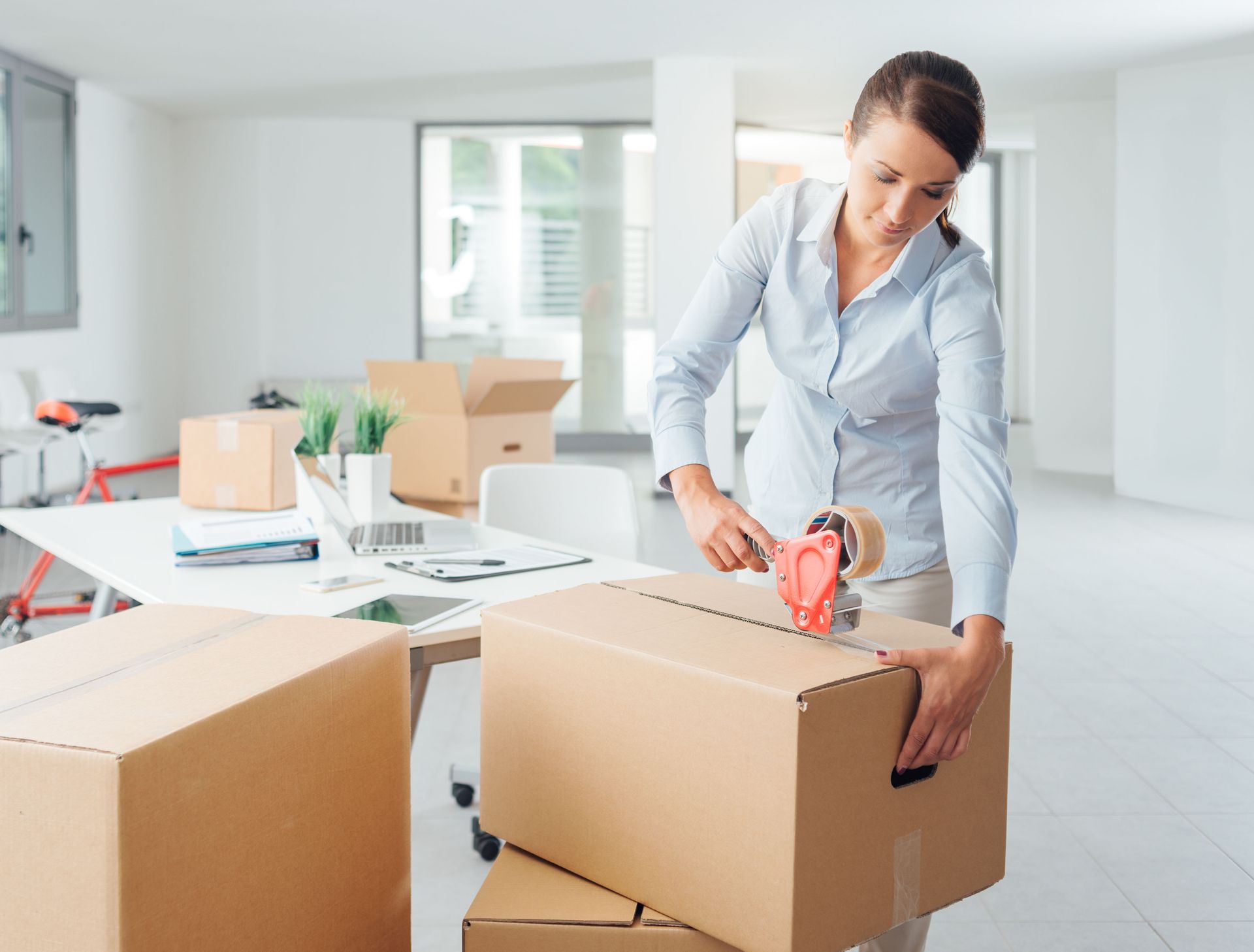
Having the right supplies on hand makes a noticeable difference. Stock up on sturdy boxes in various sizes, packing paper, tape, stretch wrap, and markers. Specialty boxes for dishes, wardrobes, and electronics help protect valuables and keep items organized during transport.
Labeling deserves special attention. Clearly mark each box with its destination room and a brief description of its contents. Some people add color-coded stickers or numbers that correspond with a room list. This approach streamlines moving and packing on both ends of the move. When boxes arrive at the new home, they're placed where they belong instead of piling up randomly, making unpacking far more efficient.
Coordinating Utilities and Address Changes
A smooth transition depends on having essential services ready when you arrive. Schedule utility transfers for electricity, water, gas, internet, and trash service well ahead of moving day. It's helpful to overlap service dates slightly so you're not left without power or connectivity during the transition.
Address changes should also be handled early. Update your address with the post office, banks, insurance providers, employers, and subscription services. Many companies allow online updates, which saves time. Handling these details in advance prevents missed bills, delayed mail, and unnecessary stress once you're settled into your new home.
Planning for Moving Day Logistics
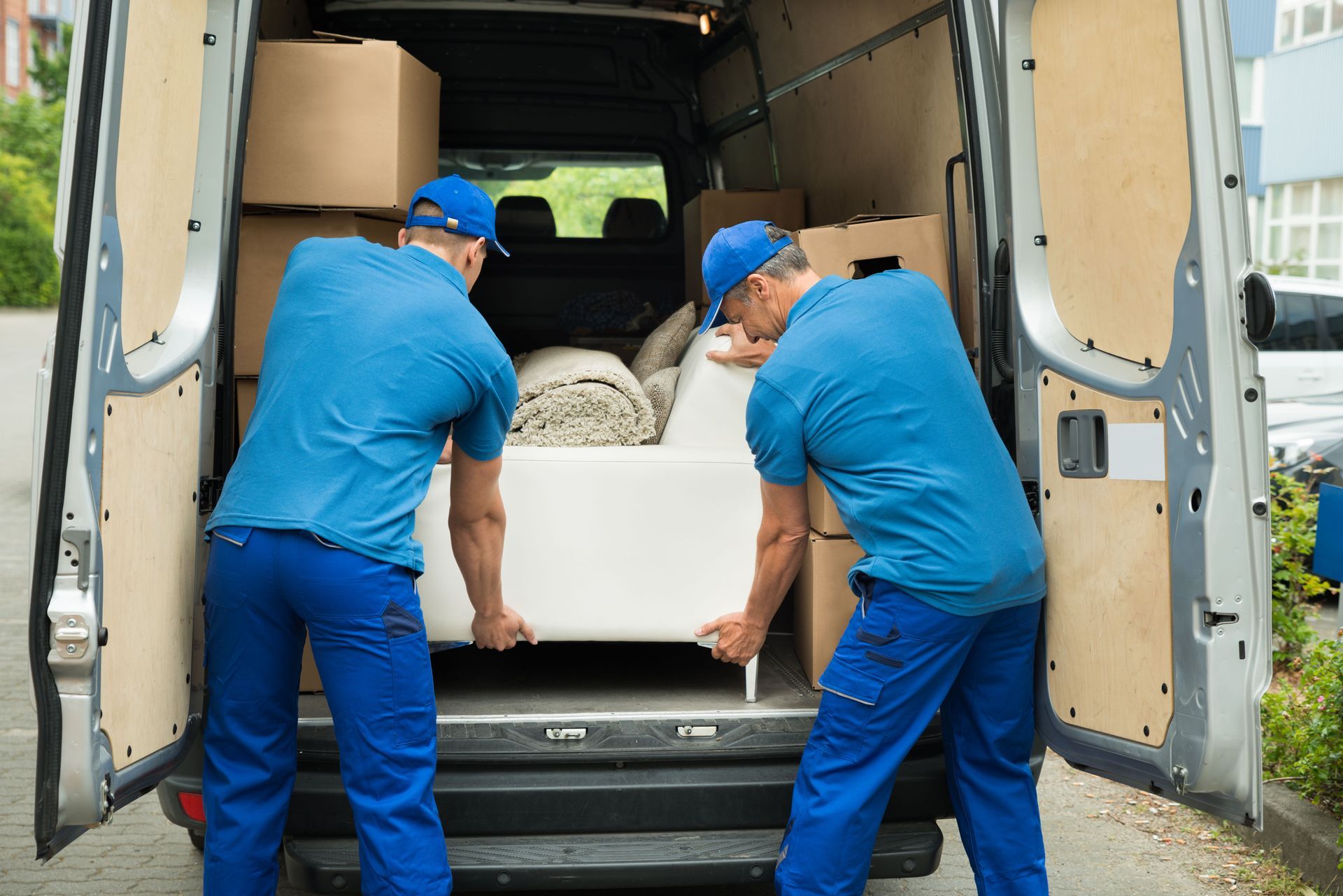
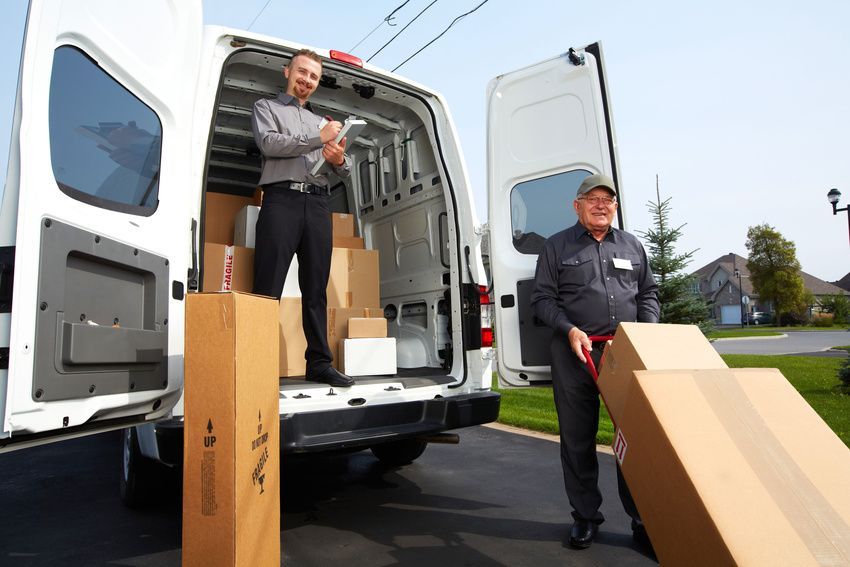
Moving day itself requires careful coordination. Confirm arrival times, parking arrangements, and access details with everyone involved. If you live in a building with elevators or reserved loading zones, secure permissions in advance. For homes in busy neighborhoods, planning where the truck will park can save time and frustration.
Prepare a clearly marked essentials box for the first day. This might include toiletries, basic tools, chargers, important documents, and a change of clothes. Keeping these items accessible avoids digging through boxes late at night. Thoughtful moving and packing habits on moving day help everything run more smoothly and reduce last-minute confusion.
Protecting Your New Home During the Move
Before furniture and boxes start coming inside, take steps to protect your new space. Use floor coverings, corner guards, and door protectors to prevent scratches or dents. Measure doorways and hallways ahead of time to avoid awkward angles or damaged walls.
It's also a good idea to do a final walkthrough before unloading begins. Check that utilities are working, lights turn on, and the space is clean. This allows you to address any issues immediately instead of discovering them after boxes are stacked throughout the house. Being proactive at this stage supports a smoother moving and packing experience overall.
Unpacking With a Purposeful Plan
Once everything is inside, resist the urge to open every box at once. Start with essential rooms like the kitchen, bathrooms, and bedrooms. Getting these spaces functional first helps your household settle into a routine more quickly.
Unpacking room by room keeps the process organized and prevents clutter from spreading. As you empty boxes, break them down right away to keep pathways clear. This phase of moving and packing is often overlooked, but a structured approach makes your new house feel like home much sooner.
Managing Stress and Staying Flexible Throughout The Move
Even with a solid checklist, moving days rarely go exactly as planned. Delays, weather issues, or last-minute changes can happen, so building flexibility into your mindset is just as important as planning logistics. Taking breaks, staying hydrated, and keeping communication open with everyone involved helps keep stress levels manageable. It's also helpful to remember that minor hiccups don't define the success of your move. Staying patient and adaptable allows you to respond calmly to challenges and keep the process moving forward without unnecessary frustration.
Settling In and Getting to Know Your Area
After the boxes are unpacked, take time to familiarize yourself with your new surroundings. Locate nearby grocery stores, pharmacies, medical offices, and schools if applicable. Introducing yourself to neighbors can help you feel more connected and informed about the community.
It's also a good time to review home maintenance needs. Change locks if necessary, test smoke detectors, and locate shutoff valves. These small steps provide peace of mind and help you start this new chapter on solid footing. Completing the last stage of moving and packing means shifting from transition mode to truly settling in.
Moving into a new home is a major transition, but it doesn't have to feel chaotic. A clear checklist transforms a long to-do list into a step-by-step plan that builds confidence along the way. From early preparation and organization to thoughtful unpacking, each stage plays a role in creating a positive moving experience.
If you're ready to make your next move simpler and more organized, we're here to help. At Burkhardt Brothers Moving & Storage, we handle every detail with care so you can focus on enjoying your new home. Reach out today and let us support your move from start to finish.


Share On: